.jpg)
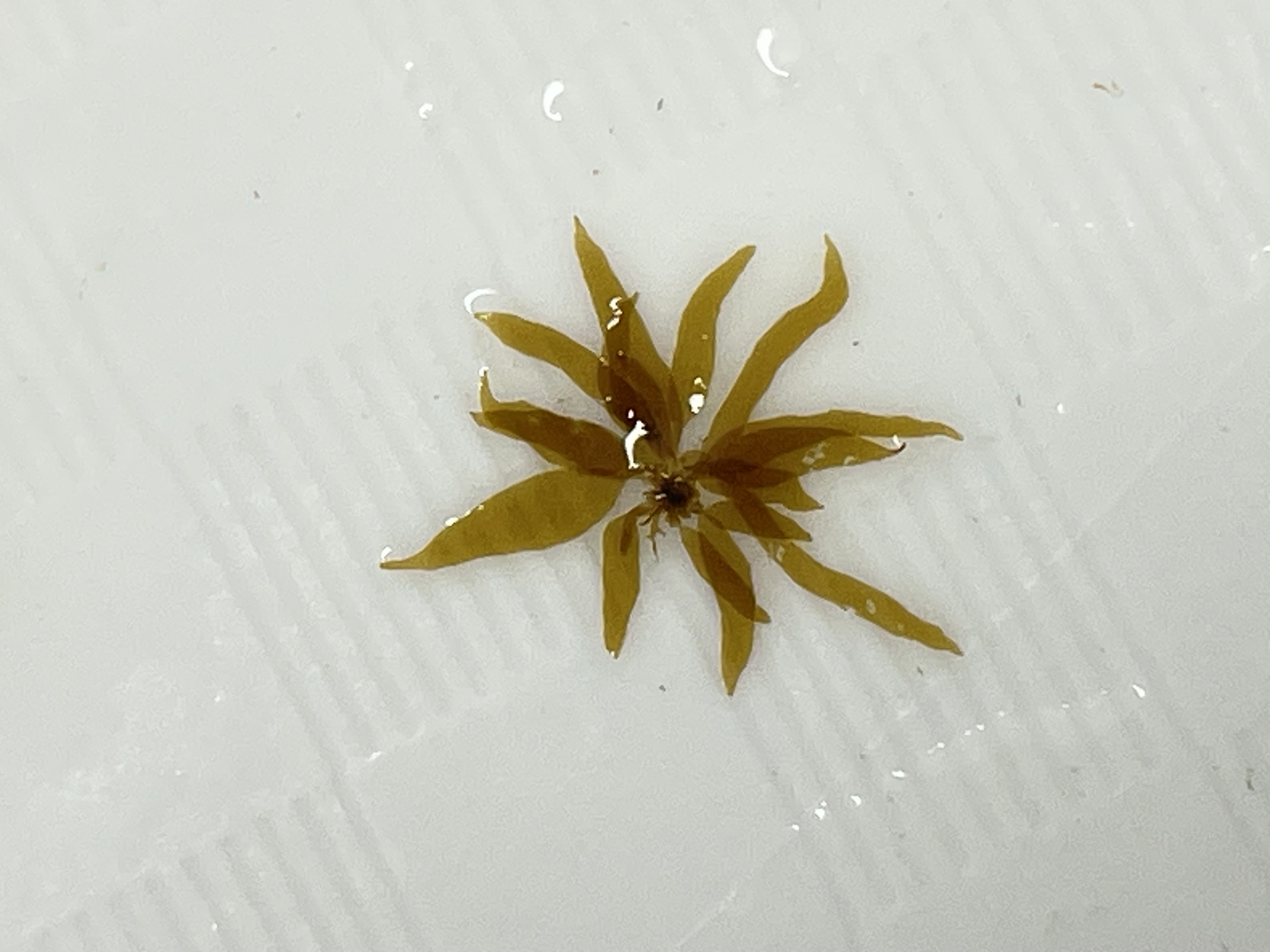
The beautiful golden kelp Ecklonia radiata is a key species for healthy New Zealand reef ecosystems, and if we want to speed up the process of bringing kelp forests back to the Hauraki Gulf, we need practical, scalable tools that communities, iwi, and restoration partners can pick up and run with.
One of the most promising techniques being explored around the world is using a concept called green gravel: small rocks coated in microscopic kelp (the gametophyte stage of the life cycle).
The idea is that this ‘green gravel’ can be spread into reefs devoid of kelp forest. Here, it is hoped they can settle, anchor, and grow into thriving kelp stands which become refuge to many fish and other marine creatures.
Over recent months, we’ve been running a series of green gravel trials at our Greenwave Aotearoa Tauranga-based hatchery. Using cultures from our Hauraki Gulf broodstock, we wanted to test whether cultures of the native New Zealand species Ecklonia radiata can support restoration in degraded reefs.
A big part of this work was to understand the conditions that support successful settlement, growth, and transition of these mini seaweed forests - from gametophyte to juvenile sporophyte - on the gravel.
These trials are one of the first steps toward long-term restoration solutions for degraded reefs in Aotearoa.
What We Learned
The standout insight is around light management: Put simply, start them in low light then increase the light to help them grow faster. This approach seems to reduce stress early on while supporting rapid development once settlement is secure.
The trial also confirmed that our Ecklonia radiata cultures from the Hauraki Gulf are viable for green gravel, marking a promising step toward future restoration with community groups, iwi, and coastal partners.
Green gravel isn’t the only tool we’ll need to restore reefs, but it’s a practical, scalable option that could complement targeted urchin removal, reseeding, artificial reefs, and other components of Ocean Regeneration Aotearoa (ORA)’s wider regeneration strategy.
We are running another trial alongside The University of Waikato, because the more we learn now, the quicker we’ll be able to scale kelp restoration across the Gulf to return structure, biodiversity, and resilience to degraded ecosystems.
.jpg)